Blog

  • Commercial Carpet Lifespan: Factors, Expectations, and Ways to Extend It

    Commercial carpet lifespan is one of the most critical—but often misunderstood—factors in workplace flooring decisions. Too often, carpets are selected based on upfront cost or appearance alone, without considering how long they will realistically perform under daily operational stress. For facilities teams and business owners, understanding carpet lifespan is not just about durability—it’s about controlling long-term costs, maintaining brand image, supporting employee comfort, and minimizing disruption from premature replacements.

    Unlike residential flooring, commercial carpet must withstand constant foot traffic, rolling loads, frequent cleaning, and strict hygiene standards. A well-chosen and well-maintained commercial carpet can last well over a decade, while a poorly specified one may fail in just a few years. This article breaks down what truly determines commercial carpet lifespan and how to maximize your investment through smarter planning and lifecycle thinking.

    What Is the Average Commercial Carpet Lifespan?

    In most commercial environments, carpet lifespan typically ranges from 5 to 15+ years, depending on usage, material selection, installation quality, and maintenance practices.

    • Low-traffic areas (executive offices, meeting rooms): 10–15+ years
    • Moderate-traffic areas (open offices, workstations): 7–10 years
    • High-traffic areas (corridors, lobbies, retail zones): 5–7 years

    These are not guarantees, but realistic performance expectations when carpets are specified correctly for their environment.

    Commercial carpet lifespan differs significantly from residential carpet because the conditions it faces are far more demanding.

    In business environments, carpet is subjected to continuous daily foot traffic from dozens or even hundreds of people, along with constant movement from office chairs, trolleys, and other mobile equipment that place repeated stress on carpet fibers and backing systems. In addition, commercial spaces require frequent spot cleaning and scheduled deep cleaning to maintain hygiene and professional appearance standards

    Key Factors That Affect Commercial Carpet Lifespan

    1. Carpet Fiber Type and Construction

    Fiber choice is the foundation of carpet longevity.

    • Nylon
      The most durable and resilient commercial fiber. Nylon recovers well from compression, resists abrasion, and maintains appearance under heavy traffic—making it the top choice for offices, hospitality, and public spaces.
    • Polypropylene (Olefin)
      More stain-resistant and cost-effective but less resilient. Best for low-traffic or budget-sensitive areas where appearance retention is less critical.
    • Wool
      Naturally resilient and premium in appearance, but expensive and maintenance-sensitive. Typically reserved for executive or boutique environments.

    Dye method also matters:

    • Solution-dyed fibers embed color into the fiber itself, offering superior resistance to fading, bleaching, and aggressive cleaning.
    • Piece-dyed fibers are more vulnerable to discoloration over time.

    Construction format:

    • Carpet tiles allow selective replacement in worn zones, significantly extending functional lifespan.
    • Broadloom carpet provides a seamless look but often requires full replacement when high-traffic areas fail.

    2. Traffic Volume and Usage Patterns

    Carpet does not wear evenly. Understanding how spaces are used is critical to predicting commercial carpet lifespan.

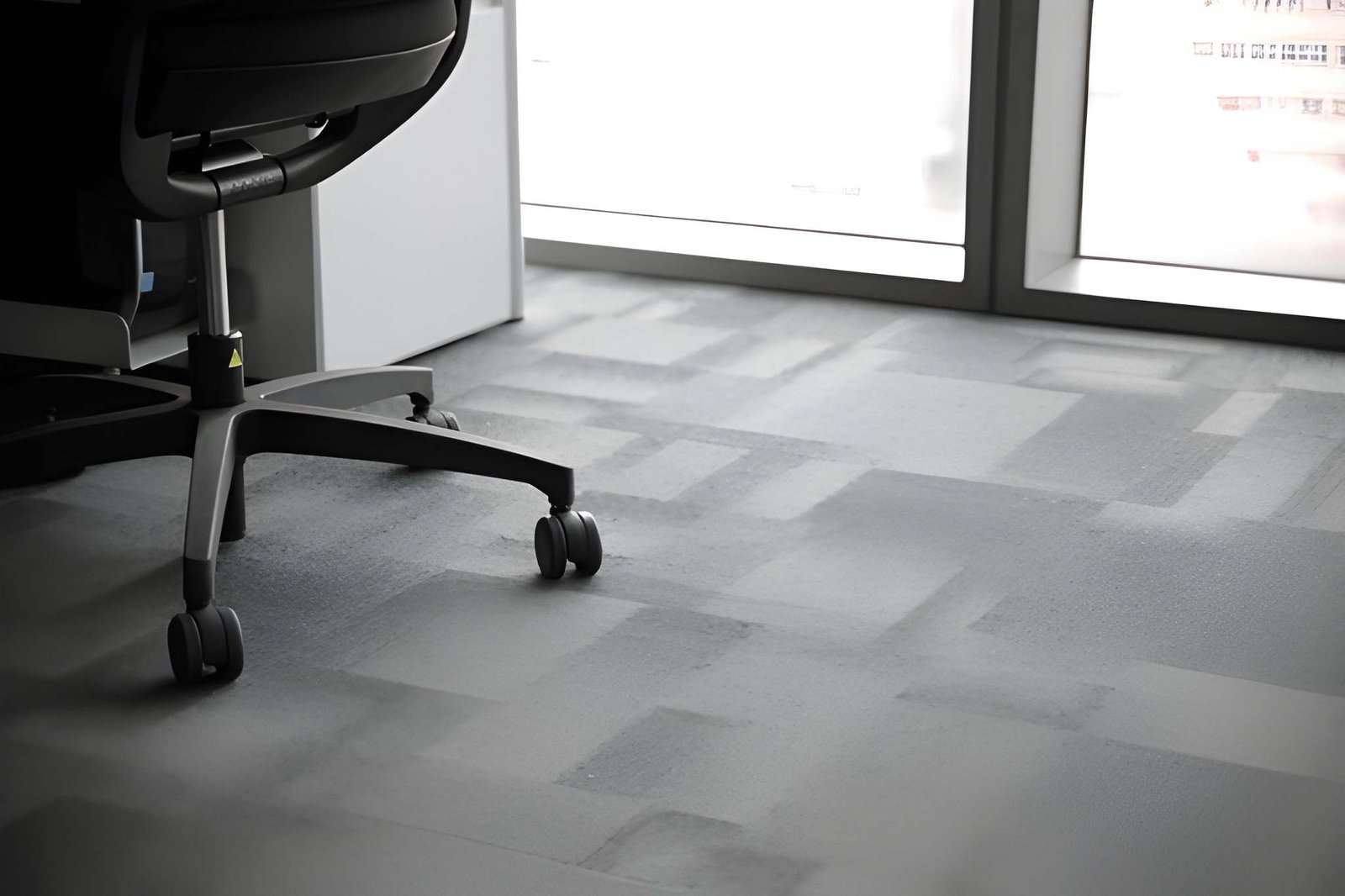
    • Offices: Chair movement and walk paths cause localized wear
    • Retail: Constant foot traffic and dirt ingress accelerate fiber fatigue
    • Hospitality: Visual wear appears before structural failure
    • Healthcare: Frequent cleaning can be more damaging than foot traffic

    Rolling loads, pivot points, and furniture movement often shorten lifespan faster than walking alone.

    3. Installation Quality

    Even the best carpet will fail prematurely if installation is poor.

    Key installation factors include:

    • Proper subfloor leveling and moisture control
    • Correct adhesive selection for the environment
    • Seam integrity and tile alignment
    • Allowance for expansion and contraction

    Installation flaws often remain hidden until problems surface as rippling, seam separation, or backing failure—issues that dramatically reduce carpet lifespan.

    4. Maintenance and Cleaning Practices

    Maintenance is where most commercial carpets either succeed or fail.

    Effective maintenance includes:

    • Daily vacuuming of high-traffic zones
    • Weekly cleaning of medium-traffic areas
    • Scheduled professional deep cleaning
    • Immediate spot treatment for spills

    Common mistakes that shorten lifespan:

    • Over-wetting during extraction
    • Using harsh or incorrect chemicals
    • Infrequent vacuuming that allows abrasive dirt buildup

    Ironically, both neglect and over-cleaning can damage carpet fibers and backing systems.

    Commercial Carpet Lifespan by Environment

    EnvironmentTypical LifespanPrimary Wear DriversKey Considerations
    Office Buildings7–12 yearsCorridors and circulation paths, areas under desk chairs, copier and pantry zonesAppearance degradation usually occurs long before structural failure, which is why modular carpet tiles and selective replacement strategies are widely used in office environments.
    Retail & Hospitality Spaces5–8 yearsHigh foot traffic, visible traffic lanes, frequent spills and stainingReplacement timing is often driven by aesthetics rather than structural failure. Carpet may remain functional but no longer align with brand image or customer expectations.
    Healthcare & Education Facilities6–10 yearsAggressive cleaning protocols, chemical exposure, infection control requirementsCarpet lifespan depends on balancing hygiene compliance with material durability. Fibers and backing systems must be designed to withstand frequent and intensive cleaning.

    Signs Your Commercial Carpet Is Near the End of Its Lifespan

    Not all wear is cosmetic. Warning signs include:

    • Persistent matting that does not recover after cleaning
    • Permanent staining or uneven discoloration
    • Delamination or bubbling
    • Odor retention affecting indoor air quality
    • Increased dust and allergen buildup

    When multiple signs appear simultaneously, replacement is usually more cost-effective than continued restoration.

    How to Extend Commercial Carpet Lifespan

    1. Smart Carpet Selection from the Start

    Extending commercial carpet lifespan begins with proper specification. Matching fiber type and construction to traffic levels is essential, especially in circulation zones where wear is concentrated. Using higher-grade carpet in high-traffic areas and planning for replaceable zones in advance can significantly extend performance and delay full replacement.

    2. Preventive Maintenance Strategies

    Consistent preventive maintenance protects carpet from premature wear. Entry matting helps reduce dirt ingress, while trained cleaning staff and traffic-based maintenance schedules prevent fiber and backing damage. Prompt spill treatment also preserves appearance. Compared to early replacement, preventive care is far more cost-effective.

    3. Zoning and Modular Flooring Approaches

    Zoning allows facilities teams to replace only damaged sections instead of entire floors. Modular carpet tiles make it easier to refresh key visual areas with minimal disruption, helping extend overall carpet lifespan while keeping renovation costs under control—especially in large or mixed-use spaces.

    4. Choosing a Carpet Partner That Supports Long-Term Lifespan

    Maximizing commercial carpet lifespan requires more than good products—it demands planning, expertise, and long-term support. Rather than focusing solely on sales, United Carpet works with businesses to deliver environment-specific carpet specification, installation aligned with performance goals, maintenance guidance based on real usage patterns, and lifecycle planning that reduces total cost of ownership. By treating carpet as a long-term asset rather than a short-term expense, facilities teams can achieve better durability, stronger aesthetics, and more predictable financial outcomes.

    Conclusion: A Smarter Approach to Commercial Carpet Lifespan

    Commercial carpet lifespan is not determined by chance—it is the result of informed decisions made at every stage, from specification and installation to daily use and long-term maintenance. Understanding how different environments affect wear, recognizing early signs of failure, and applying preventive strategies can help businesses avoid premature replacement and unnecessary costs. When carpet is selected and managed with a lifecycle mindset, it becomes a durable, functional asset rather than a recurring expense.

    This is where the right partner makes a real difference. United Carpet supports businesses beyond product selection, helping facilities teams plan flooring solutions that align with traffic demands, maintenance realities, and long-term performance goals. By combining the right materials, proven installation practices, and lifecycle-focused guidance, United Carpet helps organizations extend commercial carpet lifespan while maintaining professional appearance and cost control over time.
  • How to Choose Commercial Carpet for High Traffic Areas

    How to Choose Commercial Carpet for High Traffic Areas

    In commercial environments, carpet is one of the most heavily used interior elements. From the moment a building opens its doors, flooring begins absorbing foot traffic, rolling loads, dirt, and moisture—often without pause. This is why choosing the right carpet for high traffic areas is not simply a matter of aesthetics, but a long-term operational decision.

    High traffic carpets are expected to perform consistently under pressure while maintaining appearance, safety, and comfort. When the wrong carpet is specified, signs of failure appear quickly: flattened pile, visible wear paths, color distortion, and increased maintenance demands. Over time, these issues translate into higher costs, frequent replacements, and disruption to daily operations.

    This article explores how high traffic areas should be approached strategically—by understanding traffic patterns, selecting the right carpet construction, and supporting performance with proper maintenance. It also explains why certain carpet types, particularly Axminster, continue to be trusted in demanding commercial environments.

    What Are High Traffic Areas?

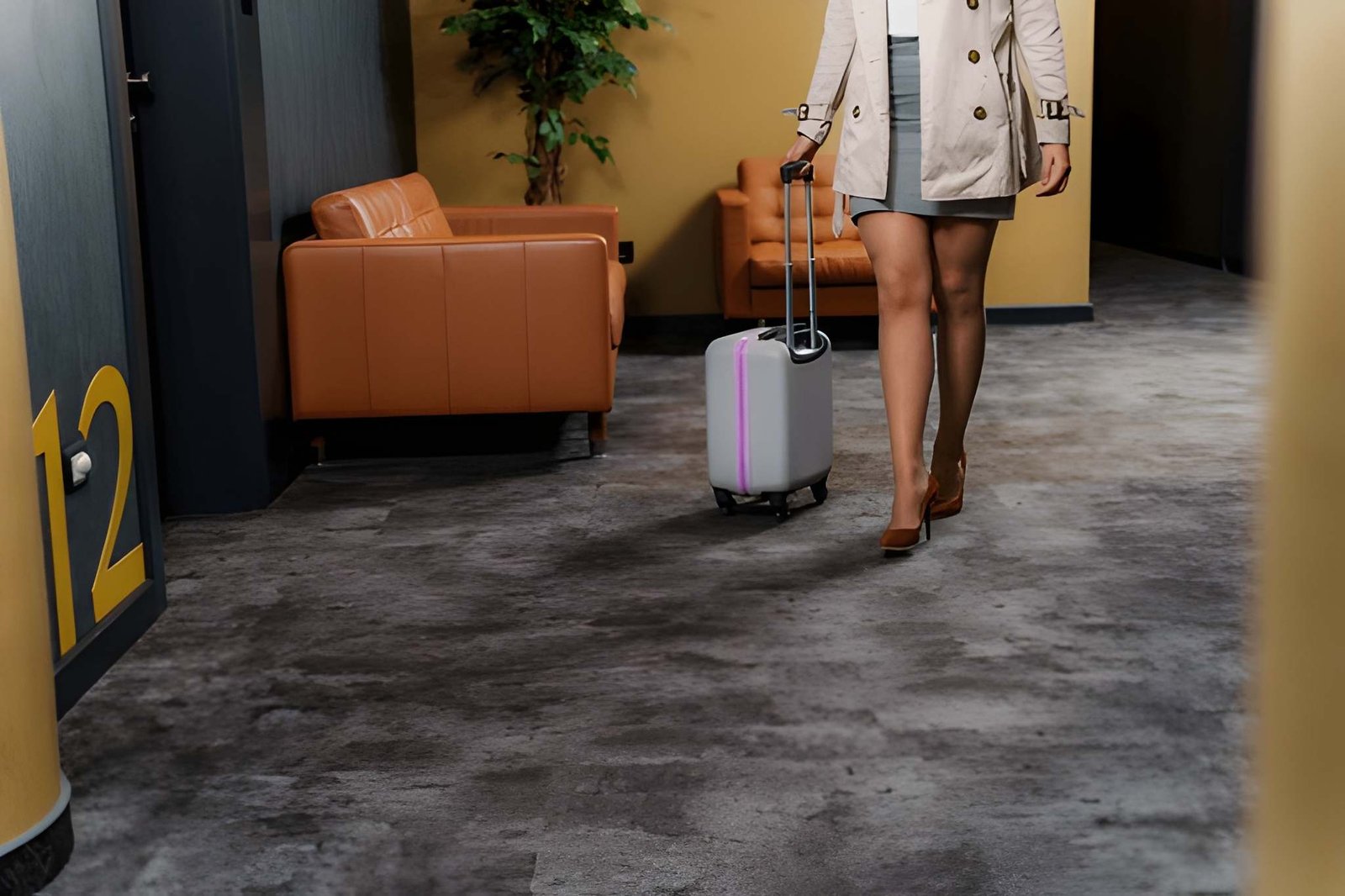
    High traffic areas are defined by continuous, repetitive movement throughout the day. These spaces experience concentrated footfall along predictable routes, often combined with equipment such as luggage trolleys, office chairs, or service carts. Unlike low-traffic areas, the carpet in these zones rarely has time to recover between use cycles.

    Over time, this constant pressure accelerates fiber fatigue and increases soil accumulation, making durability and construction far more important than decorative appeal alone.

    High traffic zones are commonly found in hotel lobbies and corridors, office entrances and reception areas, retail stores, airports, hospitals, and educational buildings. In many of these environments, carpet performance directly affects first impressions, safety, and operational efficiency.

    Standard carpets are not engineered to withstand sustained commercial use. High traffic areas demand carpets that can resist crushing, maintain structural stability, and tolerate frequent cleaning. Without these characteristics, even well-designed interiors can deteriorate quickly.

    Key Characteristics of Carpet for High Traffic Areas

    Durability Beyond Appearance

    Durability in high traffic carpet is determined by a combination of fiber resilience, yarn twist, pile density, and construction method. Dense, tightly constructed carpets distribute pressure more evenly, reducing permanent deformation and visible wear.

    Soil Management and Stain Resistance

    In busy environments, dirt is unavoidable. Effective high traffic carpets focus not only on stain resistance but also on soil concealment, helping spaces maintain a clean appearance between cleaning cycles. This is especially important in entrances and corridors where dirt is continuously tracked in.

    Safety and Compliance

    Carpets in commercial spaces must support safe movement, comply with fire regulations, and contribute positively to indoor air quality. These considerations are particularly critical in hospitality, healthcare, and public buildings.

    Best Types of Carpet for High Traffic Areas

    Carpet Tiles (Modular Carpet)

    Carpet tiles are a popular choice in high traffic commercial environments due to their flexibility and ease of maintenance. Their modular design allows individual tiles to be replaced when wear becomes visible, rather than removing the entire floor.

    Why carpet tiles perform well in high traffic areas:

    • High-density construction options
    • Easy access for repairs and replacements
    • Reduced downtime during maintenance
    • Lower long-term disruption costs

    They are widely used in offices, airports, and retail spaces where functionality and operational efficiency are priorities.

    Axminster Carpet

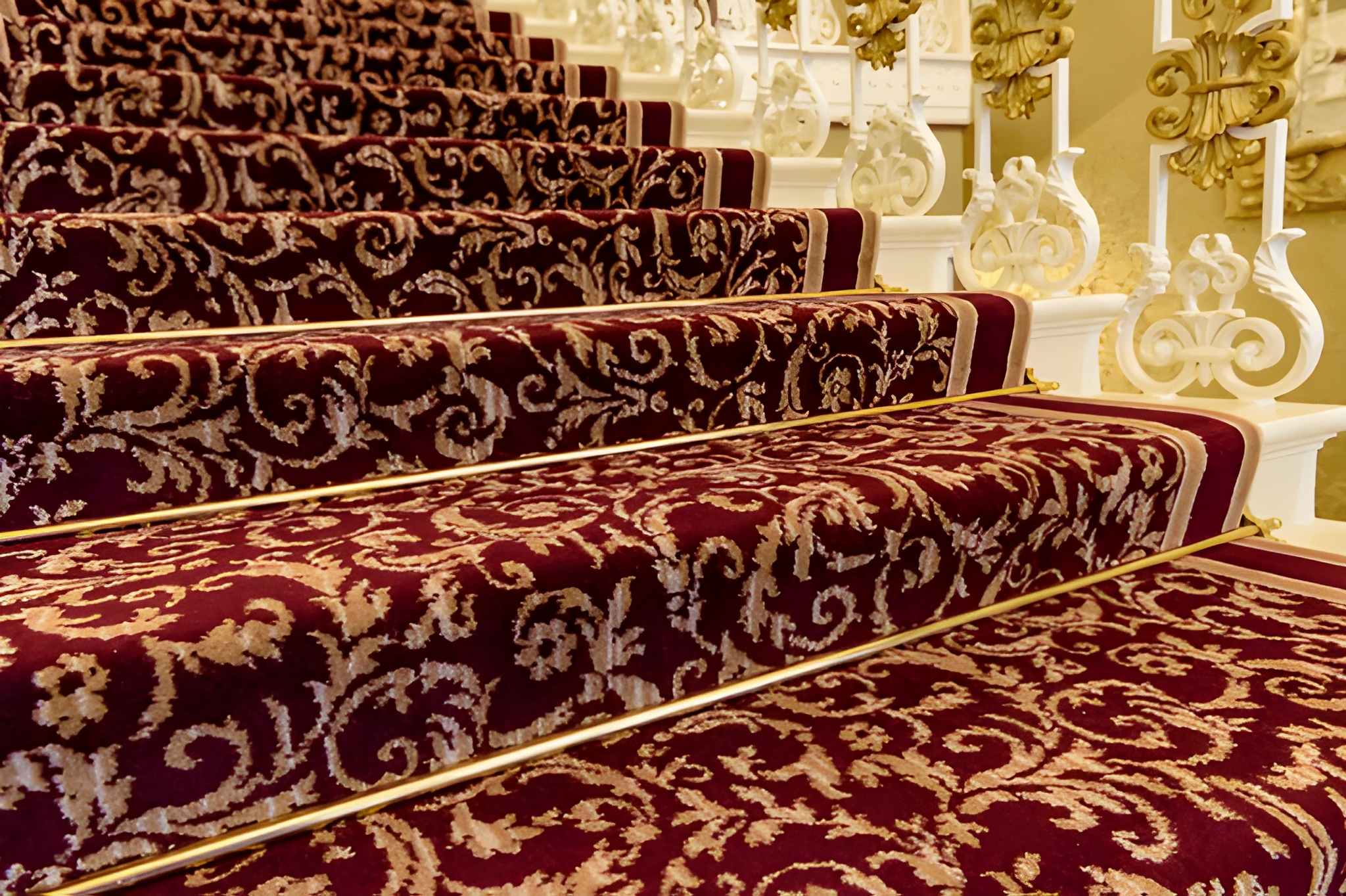
    Axminster carpet is a woven carpet construction, where each yarn is mechanically locked into the backing rather than glued. This makes Axminster one of the most durable carpet options for high traffic areas, especially in premium commercial environments.

    Key advantages of Axminster carpet:

    • Excellent resistance to pile crushing and matting
    • Superior pattern clarity that lasts over time
    • Strong dimensional stability under heavy use
    • Proven performance in hospitality and public venues

    Best applications include:

    • Hotel corridors and guestroom hallways
    • Ballrooms and function spaces
    • Convention centers and casinos
    • High-visibility premium lobbies

    While Axminster carpets typically have a higher upfront cost, they often deliver a longer usable lifespan, making them a strong long-term investment in high traffic settings.

    Loop Pile and Low-Profile Carpet

    Low-profile and loop pile carpets are designed to resist crushing and show fewer footprints over time. Their construction helps maintain a uniform appearance even in areas with constant movement.

    These carpets are commonly used in:

    • Office corridors
    • Corporate workspaces
    • Public circulation zones

    ou can drop this directly into your article.

    Solution-Dyed Nylon Carpet

    Nylon is widely recognized as one of the most reliable fibers for carpet for high traffic areas due to its strong balance of durability and performance in commercial environments. Among the available options, solution-dyed nylon is especially valued because the color is embedded directly into the fiber during manufacturing. This process makes the carpet highly resistant to fading, staining, and the effects of frequent cleaning.

    From a performance standpoint, nylon offers several advantages that are critical in high traffic conditions:

    • Excellent resilience, allowing fibers to recover after repeated foot traffic
    • High abrasion resistance, reducing surface wear over time
    • Strong resistance to moisture-related staining and discoloration
    • Compatibility with intensive commercial cleaning programs

    Nylon carpets also perform well under constant movement and rolling loads, helping maintain a consistent surface appearance even in busy environments. Because of these characteristics, solution-dyed nylon is commonly specified in offices, retail spaces, educational facilities, and transportation hubs, where durability, appearance retention, and maintenance efficiency must work together.

    How to Choose the Right Carpet for High Traffic Areas

    Align Carpet Performance with Traffic Intensity

    Not all areas experience the same level of stress. Entrance zones and main corridors typically require higher-performance constructions than internal or secondary spaces. Matching carpet type to actual usage helps prevent premature wear.

    Think in Terms of Lifecycle Cost

    The true cost of carpet includes installation, cleaning, maintenance, and eventual replacement. Carpets designed for longevity often deliver better financial outcomes over time, even if the upfront investment is higher.

    Maintain Visual Consistency

    In high traffic environments, patterned or textured designs help disguise wear and soiling, keeping spaces looking presentable for longer periods.


    Carpet Maintenance in High Traffic Areas

    Routine Cleaning

    Regular vacuuming removes abrasive dirt before it damages fibers. In high traffic zones, this may need to be done daily to protect carpet structure and appearance.

    Scheduled Deep Cleaning

    Periodic deep cleaning removes embedded soil and helps restore texture. Cleaning methods must be appropriate to the carpet’s construction to avoid long-term damage.

    Preventive Measures

    Entry matting systems and zoned maintenance schedules significantly reduce dirt transfer and extend carpet lifespan, particularly in entrances and circulation areas.

    Performance Built for Long-Term Use

    Choosing the right carpet for high traffic areas is ultimately about long-term thinking. Construction quality, correct specification, and proper maintenance all play equally important roles in how a carpet performs over time.

    In demanding environments, woven solutions such as Axminster continue to set the benchmark for durability and design retention, while modular and tufted systems offer flexibility when correctly applied. Manufacturers that are involved from specification through to lifecycle planning add real value to commercial projects.

    As a manufacturer of Axminster carpet, United Carpet supports high traffic spaces with solutions designed not only to look good at installation, but to perform consistently over years of use—backed by an understanding of design, construction, and long-term maintenance needs.

  • Types of Commercial Carpets: Differences, Uses, and How to Choose the Right One

    Types of Commercial Carpets: Differences, Uses, and How to Choose the Right One

    Commercial carpets play a crucial role in shaping how a business space looks, feels, and performs on a daily basis. In offices, hotels, retail stores, and public buildings, flooring is exposed to constant foot traffic, furniture movement, and long operating hours. Because of this, commercial carpets are designed not just for appearance, but for durability, safety, and long-term performance.

    Unlike residential carpets, commercial carpets must meet higher standards in terms of wear resistance, maintenance efficiency, and compliance with safety regulations such as fire ratings and indoor air quality. Choosing the right commercial carpet is not simply a design decision—it is an operational one that can affect maintenance costs, employee comfort, and even brand perception.

    Understanding the types of commercial carpets, how they are classified, and how to choose the right option for specific environments helps businesses make informed decisions. With the right knowledge, commercial carpets can become a long-term asset rather than a recurring expense.

    What Are Commercial Carpets?

    Commercial carpets are flooring solutions specifically engineered for use in business and public environments where durability, performance, and safety are essential. They are designed to withstand high foot traffic, frequent cleaning, and extended use without quickly showing wear or deterioration.

    Compared to residential carpets, commercial carpets typically feature stronger fiber construction, denser pile structures, and more robust backing systems. These characteristics help maintain appearance over time while reducing issues such as flattening, fraying, or staining. Many commercial carpets are also engineered to provide acoustic benefits, helping reduce noise levels in busy workplaces and public spaces.

    In addition, commercial carpets often comply with industry standards related to fire resistance, slip resistance, and indoor air quality. Because they are commonly used in large-scale projects, commercial carpets are usually specified, supplied, and installed through professional flooring solution providers rather than purchased directly from retail shops.

    Types of Commercial Carpets

    Commercial carpets can be classified in several ways to help buyers understand their structure, material composition, and intended use. These classifications make it easier to select a carpet that aligns with functional needs, budget considerations, and design goals.

    Types of Commercial Carpets Based on Construction / Format

    This classification refers to how the carpet is manufactured and installed.

    1. Carpet Tiles

    Carpet tiles are modular carpet pieces, usually square or rectangular, designed for flexible installation. They are easy to replace, making them ideal for high-traffic areas where damage may occur in specific zones. Carpet tiles are widely used in offices, co-working spaces, and commercial corridors due to their practicality and cost efficiency.

    2. Broadloom Carpets

    Broadloom carpets are supplied in large rolls, creating a seamless and continuous floor appearance. This format offers a more luxurious and uniform look, often preferred in hotels, conference rooms, executive offices, and hospitality environments where aesthetics play a key role.

    3. Needle-Punched Carpets

    Needle-punched carpets are manufactured by mechanically bonding fibers together, resulting in a dense, flat, and highly durable surface. These carpets are commonly used in industrial areas, exhibitions, back-of-house spaces, and environments where functionality takes priority over decorative design.

    4. Woven Commercial Carpets

    Woven commercial carpets are produced using traditional weaving techniques where yarns are interlaced directly into the backing, creating a highly durable and structurally stable carpet. This manufacturing method allows for intricate patterns, precise color control, and exceptional design detail that cannot be easily achieved with other carpet constructions.

    Due to their premium appearance and long lifespan, woven carpets are often selected for luxury hotels, boardrooms, ballrooms, theaters, and high-end commercial interiors where both aesthetics and durability are essential. Axminster carpets are a well-known example of woven commercial carpets commonly used in hospitality projects.

    5. Entrance & Barrier Matting Systems

    Entrance and barrier matting systems are specialized commercial carpets designed to be installed at building entry points. Their primary purpose is to trap dirt, dust, and moisture before it enters interior spaces, helping maintain cleanliness and protect internal flooring.

    By reducing the amount of debris brought indoors, these systems significantly extend the lifespan of interior carpets and lower overall maintenance costs. Entrance matting systems come in various types, including textile mats, rubber-backed mats, and recessed matting systems, each suited to different traffic levels and environmental conditions.

    Ideal placement areas include main entrances, secondary access points, lift lobbies, and transitional zones between outdoor and indoor spaces.

    Types of Commercial Carpets Based on Material

    This classification focuses on the fiber used to produce the carpet, which directly affects durability, maintenance, and comfort.

    1. Nylon Carpets

    Nylon is one of the most popular materials for commercial carpets due to its strength, resilience, and ability to recover from heavy foot traffic. It is ideal for offices, airports, and high-traffic commercial spaces.

    2. Polypropylene (Olefin) Carpets

    Polypropylene carpets are known for their resistance to moisture and staining, making them suitable for budget-conscious projects or areas exposed to spills. They are commonly used in retail spaces and utility areas.

    3. Wool or Wool-Blend Carpets

    Wool carpets offer a premium look and natural comfort. When blended with synthetic fibers, they provide improved durability while maintaining a high-end aesthetic. These carpets are often chosen for luxury hospitality and executive environments.

    Types of Commercial Carpets Based on Industry Application

    This classification is based on where the carpet is used.

    1. Office & Corporate Spaces

    Office carpets prioritize durability, acoustic control, and ease of maintenance. Carpet tiles are often preferred due to their flexibility and modular nature.

    2. Hospitality (Hotels & Restaurants)

    Hospitality carpets focus on comfort, design, and brand identity. Broadloom carpets are commonly used to create a seamless and luxurious atmosphere.

    3. Retail Spaces

    Retail carpets must balance visual appeal with wear resistance. The right carpet helps enhance customer experience while withstanding constant foot traffic.

    4. Healthcare & Education

    Carpets in healthcare and educational facilities emphasize hygiene, safety, and compliance with strict regulations, often using materials and constructions designed for easy cleaning and durability.

    How to Get Commercial Carpets?

    Commercial carpets are generally not purchased from standard retail carpet shops. Instead, they are sourced through professional flooring solution providers who handle commercial projects.

    In many cases, commercial carpets are:

    • Specified and selected based on project requirements
    • Customized in terms of size, backing, color, and performance
    • Supplied with professional installation services

    This project-based approach ensures the carpet meets functional needs, safety standards, and long-term performance expectations.

    Tips to Choose the Best Commercial Carpets

    1. Evaluate Foot Traffic Levels

    Understanding how much traffic an area receives helps determine the right carpet construction and material to avoid premature wear.

    2. Match Carpet Type to Space Function

    Different areas require different solutions—what works for an office corridor may not suit a hotel lobby or retail showroom.

    3. Consider Maintenance and Lifecycle Costs

    Choosing a carpet that is easy to maintain and repair can significantly reduce long-term operational expenses.

    4. Ensure Safety and Compliance

    Always check fire ratings, slip resistance, and indoor air quality standards, especially for public and regulated environments.

    5. Choose an Experienced Commercial Carpet Provider

    Working with a supplier that has a long history in designing and delivering commercial carpet solutions—such as United Carpet—helps ensure the carpet is not only visually appealing but also technically suitable for the project. Experience matters when translating design concepts into durable, real-world flooring solutions.

    Conclusion

    Selecting the right commercial carpet involves more than choosing a color or pattern. It requires a clear understanding of construction formats, materials, industry applications, and long-term performance considerations. When these factors are aligned, commercial carpets can enhance both the functionality and identity of a business space.

    Partnering with an experienced solution provider like United Carpet Solutions allows businesses to move beyond standard products and toward tailored flooring solutions. With a comprehensive range of commercial carpet options and a strong focus on design, quality, and professional execution, United Carpet supports projects from concept to completion—helping businesses invest in flooring that performs reliably for years to come.

  • What Is Axminster Carpet? A Guide for Commercial Spaces

    What Is Axminster Carpet? A Guide for Commercial Spaces

    Flooring plays a critical role in shaping how a space looks, feels, and performs over time. In environments that receive constant use, the right carpet must balance visual impact with durability and long-term reliability. Among the various carpet constructions available today, Axminster carpet has earned a strong reputation for delivering both performance and design excellence.

    Commonly found in hotels, corporate buildings, convention centers, and institutional facilities, Axminster carpet is known for its woven construction, refined appearance, and ability to perform under heavy foot traffic. This combination makes it a preferred choice for large-scale commercial interiors where flooring is expected to support both operational needs and brand standards.

    This article explains in depth what is Axminster carpet, explores common Axminster carpet uses in commercial environments, and outlines practical ways businesses can source Axminster carpet for large-scale projects through the right partners.

    What Is Axminster Carpet?

    Axminster carpet is a woven carpet manufactured using a traditional weaving technique where each individual yarn is mechanically interlaced into the backing structure. This differs fundamentally from tufted carpets, which rely on adhesive backing to hold yarns in place. In Axminster carpets, the yarn is locked within the weave itself, creating a highly stable and durable construction.

    Because of this weaving method, Axminster carpet offers exceptional dimensional stability. The pile remains upright and secure even under constant foot traffic, making it well suited for commercial environments where wear resistance is essential. The weaving process also allows precise control over color placement, enabling highly detailed patterns, logos, and custom designs that are difficult to achieve with other carpet constructions.

    From a performance perspective, Axminster carpet is known for its long lifespan. When specified correctly and installed professionally, it can maintain both its structural integrity and visual quality for many years, reducing the need for frequent replacement. This makes Axminster carpet a cost-effective long-term investment rather than a short-term decorative solution.

    In commercial interiors, Axminster carpet is often selected not only for durability but also for its premium appearance. The woven surface delivers a refined, high-end look that supports brand positioning, especially in spaces where first impressions matter.

    Axminster Carpet Uses in Commercial and Institutional Spaces

    Axminster carpet uses are closely associated with environments that demand a balance between aesthetics, durability, and operational reliability.

    In hotels and hospitality facilities, Axminster carpet is commonly installed in guest corridors, ballrooms, function rooms, and public lounges. These areas experience continuous foot traffic from guests, staff, and event attendees throughout the day. Axminster carpet performs well in such conditions because its woven construction resists flattening and pattern distortion over time. Additionally, hotels often require custom designs to reflect brand identity or interior themes, and Axminster carpet allows intricate motifs, borders, and color schemes to be woven directly into the carpet structure rather than printed or surface-applied.

    1. Hotels and Hospitality Facilities

    In hospitals and healthcare-related facilities, Axminster carpet is used selectively in areas such as administrative offices, conference rooms, waiting areas, and executive zones. While clinical spaces may require hard flooring for hygiene reasons, non-clinical areas benefit from Axminster carpet’s acoustic properties and visual warmth. The durability of the woven structure ensures the carpet can handle frequent movement of staff and visitors while maintaining a professional and orderly appearance. Its ability to retain shape and color also supports consistent interior standards over long operational periods.

    2. Corporate and Office Environments

    Corporate offices and business environments are another key area where Axminster carpet uses are prominent. Boardrooms, executive offices, meeting rooms, and corporate reception areas often require flooring that communicates professionalism and authority. Axminster carpet supports these requirements through its refined texture and design precision. It also contributes to sound absorption, improving acoustic comfort during meetings and presentations, which is an important functional consideration in office environments.

    3. Convention Centers and Auditoriums

    Large-scale venues such as convention centers, theaters, and auditoriums also rely on Axminster carpet for performance and design flexibility. These spaces often host high volumes of visitors during events, exhibitions, and performances. Axminster carpet’s woven construction helps maintain a consistent appearance despite intense usage, while its design capabilities allow visual zoning, directional patterns, and thematic designs to be integrated into the flooring.

    4. Government and Institutional Buildings

    In government and institutional buildings, Axminster carpet is commonly specified for spaces that require a strong sense of formality, durability, and long-term maintenance efficiency. Government offices and administrative facilities experience steady daily traffic from employees and the public, making woven Axminster carpet a practical choice due to its structural stability and resistance to wear over time.

    How to Get Axminster Carpet for Business Projects

    For commercial projects, sourcing Axminster carpet involves more than simply selecting a product. Businesses must consider design control, manufacturing quality, installation standards, and long-term support. Below are three common ways to obtain Axminster carpet for B2B applications.

    1. Directly from Carpet Manufacturers

    Sourcing Axminster carpet directly from manufacturers provides businesses with direct access to production capabilities and technical specifications. This approach is often chosen for large-volume projects where standardized designs are required across multiple locations. Working directly with manufacturers allows greater control over material selection, weaving density, and production timelines. However, this method usually requires the client to have strong technical knowledge, as responsibilities such as design coordination, installation planning, and post-installation support may fall outside the manufacturer’s scope.

    2. Through Commercial Carpet Specialists

    Commercial carpet specialists act as intermediaries between manufacturers and end users. They typically offer product selection assistance, technical advice, and project coordination services. This option is suitable for businesses that want access to multiple carpet brands and specifications without dealing directly with factories. Commercial specialists can help match Axminster carpet specifications to project requirements, but customization options may be limited depending on the supplier network they represent.

    3. Working with Carpet Solutions and Makers Like United Carpet

    A more integrated approach is working with carpet solutions providers and makers such as United Carpet, who specialize in end-to-end commercial carpet projects. This model combines design development, manufacturing coordination, and professional installation within a single workflow.

    Through carpet makers like United Carpet, businesses can develop custom Axminster carpet designs tailored to their brand identity and functional needs. Technical consultation ensures the carpet construction, materials, and performance specifications align with the intended usage environment. Installation is handled by experienced teams familiar with large-scale commercial requirements, helping ensure consistent results across all areas. This approach reduces project risk and supports long-term performance through coordinated after-sales support.

    Closing: Axminster Carpet as a Long-Term Commercial Flooring Strategy

    Understanding what is Axminster carpet highlights why it continues to be specified for high-end commercial and institutional projects. Its woven construction, design precision, and durability make it suitable for environments where flooring must perform reliably while reinforcing brand and interior concepts.

    With proven Axminster carpet uses across hotels, hospitals, corporate offices, and large public venues, Axminster carpet offers long-term value beyond initial installation. By sourcing Axminster carpet through the right partners—whether directly from manufacturers, through specialists, or via integrated carpet makers like United Carpet—businesses can ensure their flooring investment supports both operational demands and strategic objectives over time.

  • Hello world!

    Welcome to WordPress. This is your first post. Edit or delete it, then start writing!