Commercial carpets play a crucial role in shaping how a business space looks, feels, and performs on a daily basis. In offices, hotels, retail stores, and public buildings, flooring is exposed to constant foot traffic, furniture movement, and long operating hours. Because of this, commercial carpets are designed not just for appearance, but for durability, safety, and long-term performance.
Unlike residential carpets, commercial carpets must meet higher standards in terms of wear resistance, maintenance efficiency, and compliance with safety regulations such as fire ratings and indoor air quality. Choosing the right commercial carpet is not simply a design decision—it is an operational one that can affect maintenance costs, employee comfort, and even brand perception.
Understanding the types of commercial carpets, how they are classified, and how to choose the right option for specific environments helps businesses make informed decisions. With the right knowledge, commercial carpets can become a long-term asset rather than a recurring expense.
What Are Commercial Carpets?
Commercial carpets are flooring solutions specifically engineered for use in business and public environments where durability, performance, and safety are essential. They are designed to withstand high foot traffic, frequent cleaning, and extended use without quickly showing wear or deterioration.
Compared to residential carpets, commercial carpets typically feature stronger fiber construction, denser pile structures, and more robust backing systems. These characteristics help maintain appearance over time while reducing issues such as flattening, fraying, or staining. Many commercial carpets are also engineered to provide acoustic benefits, helping reduce noise levels in busy workplaces and public spaces.
In addition, commercial carpets often comply with industry standards related to fire resistance, slip resistance, and indoor air quality. Because they are commonly used in large-scale projects, commercial carpets are usually specified, supplied, and installed through professional flooring solution providers rather than purchased directly from retail shops.
Types of Commercial Carpets
Commercial carpets can be classified in several ways to help buyers understand their structure, material composition, and intended use. These classifications make it easier to select a carpet that aligns with functional needs, budget considerations, and design goals.
Types of Commercial Carpets Based on Construction / Format
This classification refers to how the carpet is manufactured and installed.
1. Carpet Tiles
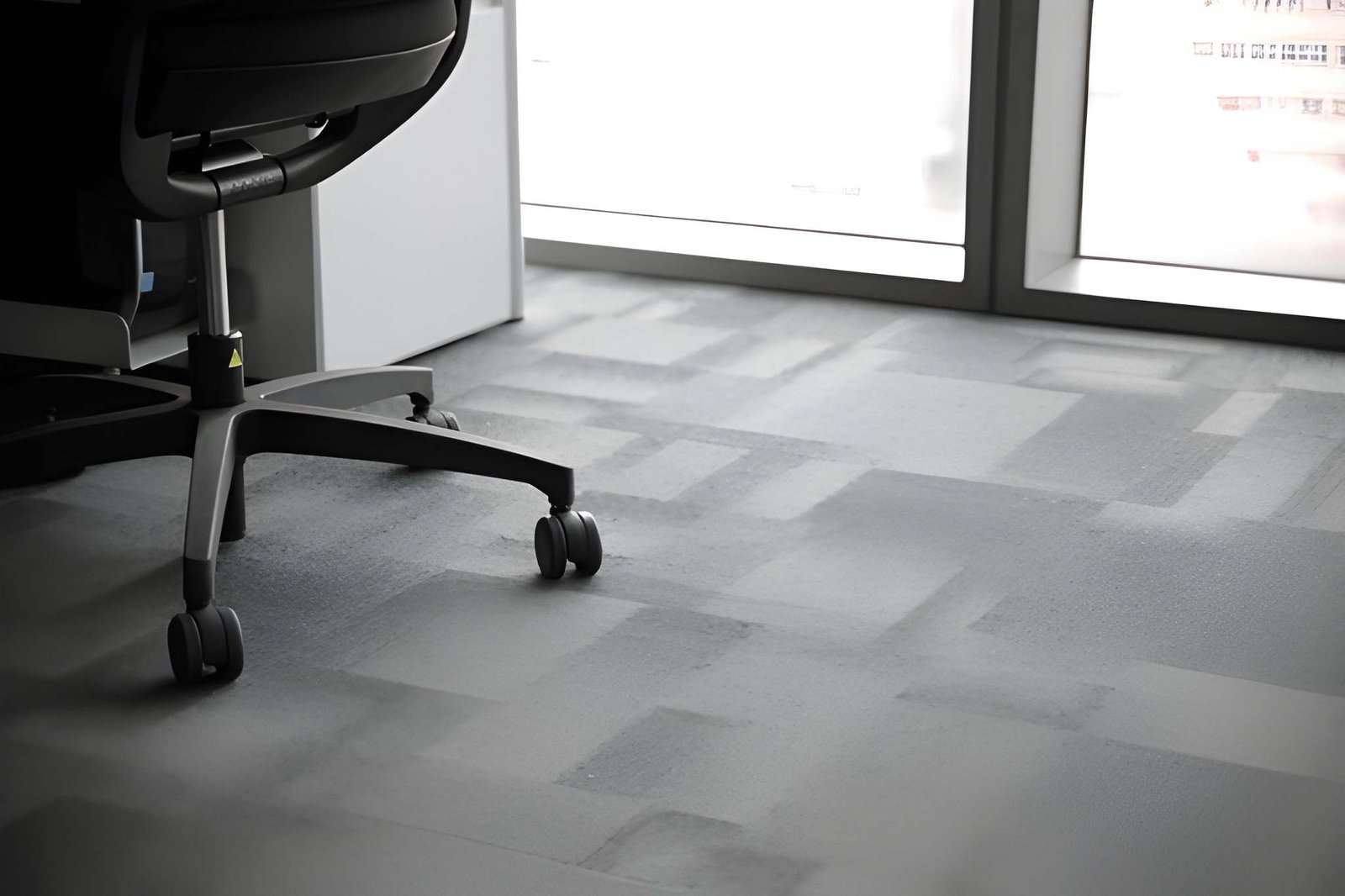
Carpet tiles are modular carpet pieces, usually square or rectangular, designed for flexible installation. They are easy to replace, making them ideal for high-traffic areas where damage may occur in specific zones. Carpet tiles are widely used in offices, co-working spaces, and commercial corridors due to their practicality and cost efficiency.
2. Broadloom Carpets
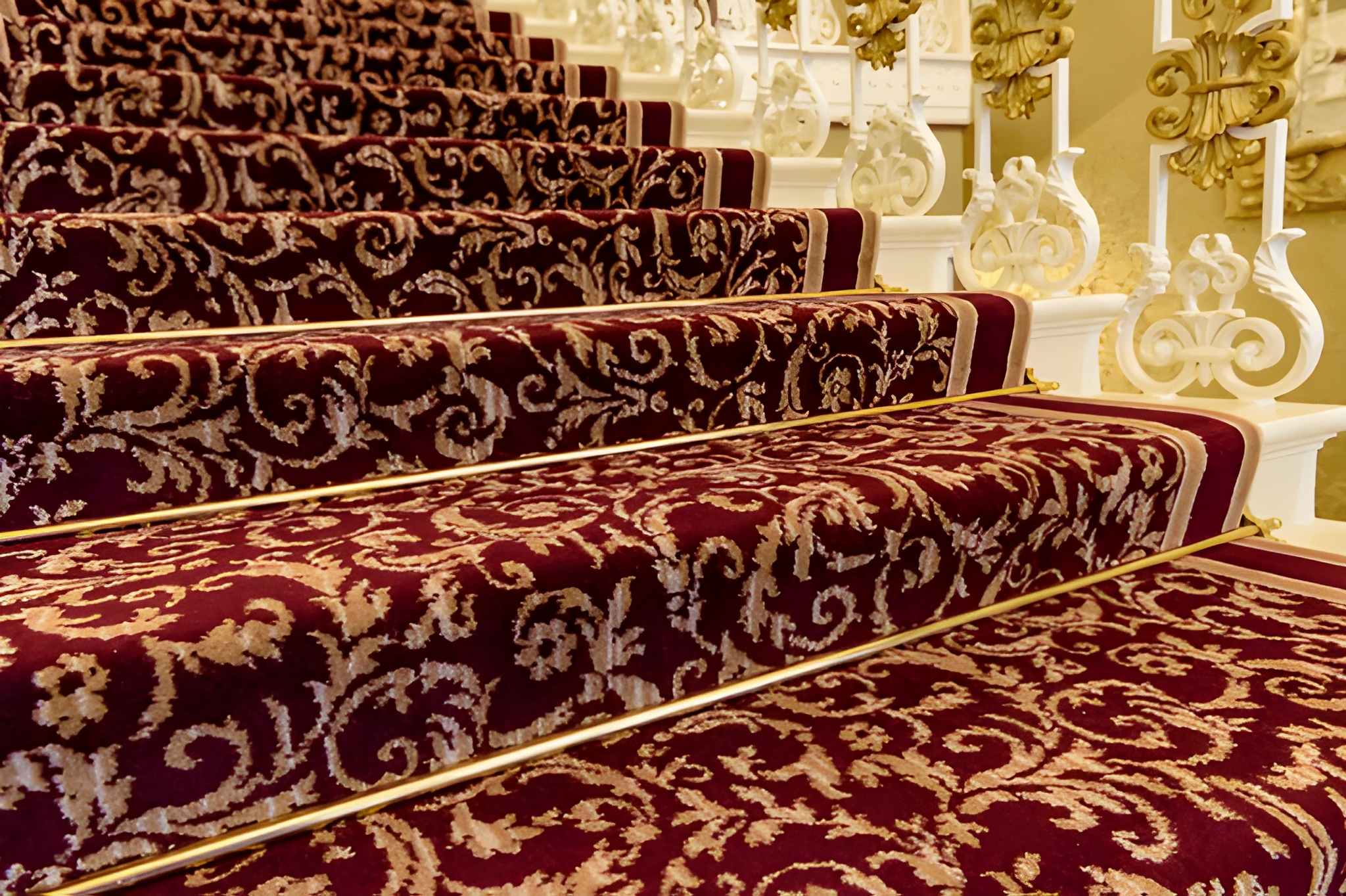
Broadloom carpets are supplied in large rolls, creating a seamless and continuous floor appearance. This format offers a more luxurious and uniform look, often preferred in hotels, conference rooms, executive offices, and hospitality environments where aesthetics play a key role.
3. Needle-Punched Carpets
Needle-punched carpets are manufactured by mechanically bonding fibers together, resulting in a dense, flat, and highly durable surface. These carpets are commonly used in industrial areas, exhibitions, back-of-house spaces, and environments where functionality takes priority over decorative design.
4. Woven Commercial Carpets
Woven commercial carpets are produced using traditional weaving techniques where yarns are interlaced directly into the backing, creating a highly durable and structurally stable carpet. This manufacturing method allows for intricate patterns, precise color control, and exceptional design detail that cannot be easily achieved with other carpet constructions.
Due to their premium appearance and long lifespan, woven carpets are often selected for luxury hotels, boardrooms, ballrooms, theaters, and high-end commercial interiors where both aesthetics and durability are essential. Axminster carpets are a well-known example of woven commercial carpets commonly used in hospitality projects.
5. Entrance & Barrier Matting Systems
Entrance and barrier matting systems are specialized commercial carpets designed to be installed at building entry points. Their primary purpose is to trap dirt, dust, and moisture before it enters interior spaces, helping maintain cleanliness and protect internal flooring.
By reducing the amount of debris brought indoors, these systems significantly extend the lifespan of interior carpets and lower overall maintenance costs. Entrance matting systems come in various types, including textile mats, rubber-backed mats, and recessed matting systems, each suited to different traffic levels and environmental conditions.
Ideal placement areas include main entrances, secondary access points, lift lobbies, and transitional zones between outdoor and indoor spaces.
Types of Commercial Carpets Based on Material
This classification focuses on the fiber used to produce the carpet, which directly affects durability, maintenance, and comfort.
1. Nylon Carpets
Nylon is one of the most popular materials for commercial carpets due to its strength, resilience, and ability to recover from heavy foot traffic. It is ideal for offices, airports, and high-traffic commercial spaces.
2. Polypropylene (Olefin) Carpets
Polypropylene carpets are known for their resistance to moisture and staining, making them suitable for budget-conscious projects or areas exposed to spills. They are commonly used in retail spaces and utility areas.
3. Wool or Wool-Blend Carpets
Wool carpets offer a premium look and natural comfort. When blended with synthetic fibers, they provide improved durability while maintaining a high-end aesthetic. These carpets are often chosen for luxury hospitality and executive environments.
Types of Commercial Carpets Based on Industry Application
This classification is based on where the carpet is used.
1. Office & Corporate Spaces
Office carpets prioritize durability, acoustic control, and ease of maintenance. Carpet tiles are often preferred due to their flexibility and modular nature.
2. Hospitality (Hotels & Restaurants)
Hospitality carpets focus on comfort, design, and brand identity. Broadloom carpets are commonly used to create a seamless and luxurious atmosphere.
3. Retail Spaces
Retail carpets must balance visual appeal with wear resistance. The right carpet helps enhance customer experience while withstanding constant foot traffic.
4. Healthcare & Education
Carpets in healthcare and educational facilities emphasize hygiene, safety, and compliance with strict regulations, often using materials and constructions designed for easy cleaning and durability.
How to Get Commercial Carpets?
Commercial carpets are generally not purchased from standard retail carpet shops. Instead, they are sourced through professional flooring solution providers who handle commercial projects.
In many cases, commercial carpets are:
- Specified and selected based on project requirements
- Customized in terms of size, backing, color, and performance
- Supplied with professional installation services
This project-based approach ensures the carpet meets functional needs, safety standards, and long-term performance expectations.
Tips to Choose the Best Commercial Carpets
1. Evaluate Foot Traffic Levels
Understanding how much traffic an area receives helps determine the right carpet construction and material to avoid premature wear.
2. Match Carpet Type to Space Function
Different areas require different solutions—what works for an office corridor may not suit a hotel lobby or retail showroom.
3. Consider Maintenance and Lifecycle Costs
Choosing a carpet that is easy to maintain and repair can significantly reduce long-term operational expenses.
4. Ensure Safety and Compliance
Always check fire ratings, slip resistance, and indoor air quality standards, especially for public and regulated environments.
5. Choose an Experienced Commercial Carpet Provider
Working with a supplier that has a long history in designing and delivering commercial carpet solutions—such as United Carpet—helps ensure the carpet is not only visually appealing but also technically suitable for the project. Experience matters when translating design concepts into durable, real-world flooring solutions.
Conclusion
Selecting the right commercial carpet involves more than choosing a color or pattern. It requires a clear understanding of construction formats, materials, industry applications, and long-term performance considerations. When these factors are aligned, commercial carpets can enhance both the functionality and identity of a business space.
Partnering with an experienced solution provider like United Carpet Solutions allows businesses to move beyond standard products and toward tailored flooring solutions. With a comprehensive range of commercial carpet options and a strong focus on design, quality, and professional execution, United Carpet supports projects from concept to completion—helping businesses invest in flooring that performs reliably for years to come.