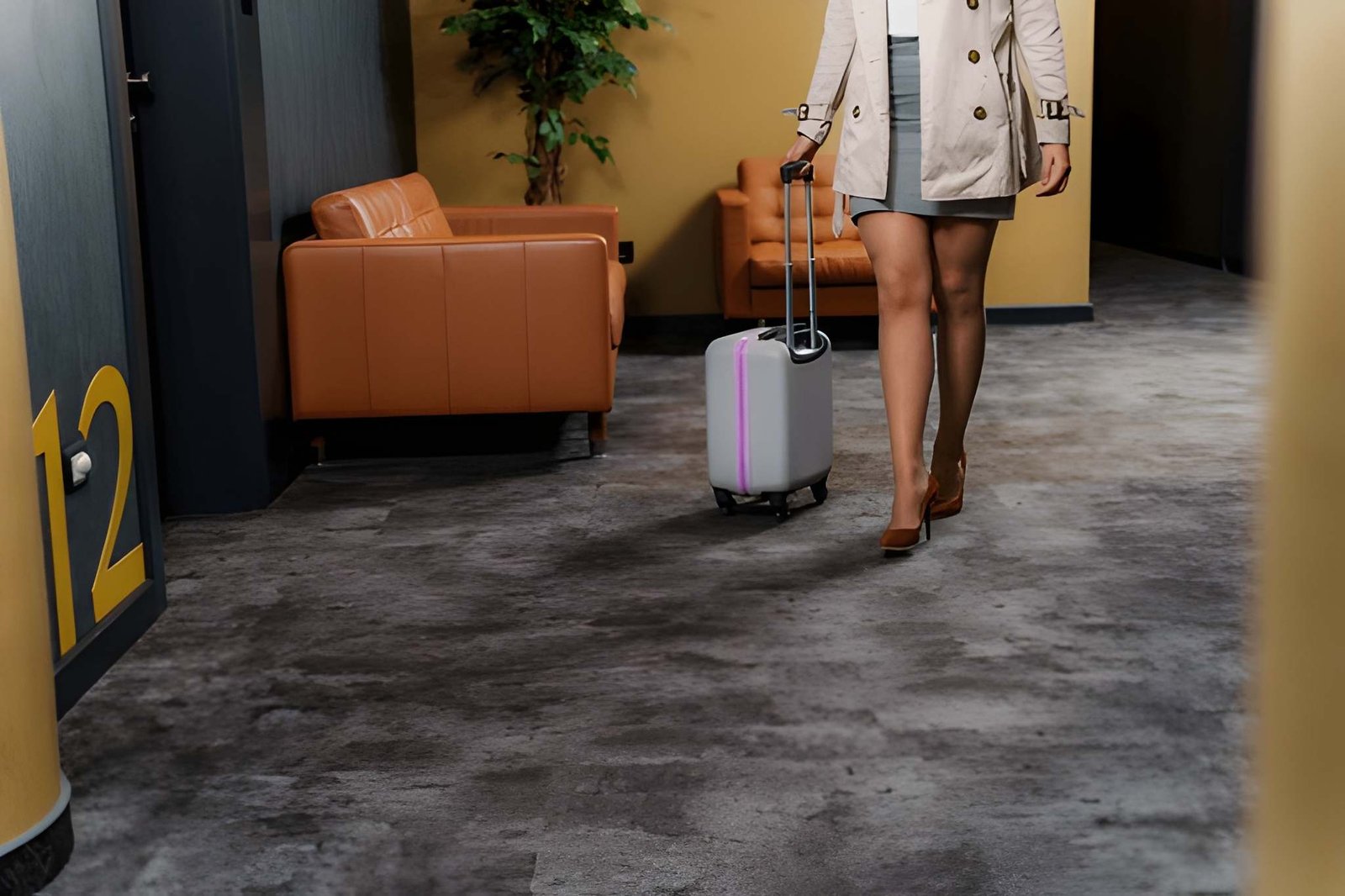
In commercial environments, carpet is one of the most heavily used interior elements. From the moment a building opens its doors, flooring begins absorbing foot traffic, rolling loads, dirt, and moisture—often without pause. This is why choosing the right carpet for high traffic areas is not simply a matter of aesthetics, but a long-term operational decision.
High traffic carpets are expected to perform consistently under pressure while maintaining appearance, safety, and comfort. When the wrong carpet is specified, signs of failure appear quickly: flattened pile, visible wear paths, color distortion, and increased maintenance demands. Over time, these issues translate into higher costs, frequent replacements, and disruption to daily operations.
This article explores how high traffic areas should be approached strategically—by understanding traffic patterns, selecting the right carpet construction, and supporting performance with proper maintenance. It also explains why certain carpet types, particularly Axminster, continue to be trusted in demanding commercial environments.
What Are High Traffic Areas?
High traffic areas are defined by continuous, repetitive movement throughout the day. These spaces experience concentrated footfall along predictable routes, often combined with equipment such as luggage trolleys, office chairs, or service carts. Unlike low-traffic areas, the carpet in these zones rarely has time to recover between use cycles.
Over time, this constant pressure accelerates fiber fatigue and increases soil accumulation, making durability and construction far more important than decorative appeal alone.
High traffic zones are commonly found in hotel lobbies and corridors, office entrances and reception areas, retail stores, airports, hospitals, and educational buildings. In many of these environments, carpet performance directly affects first impressions, safety, and operational efficiency.
Standard carpets are not engineered to withstand sustained commercial use. High traffic areas demand carpets that can resist crushing, maintain structural stability, and tolerate frequent cleaning. Without these characteristics, even well-designed interiors can deteriorate quickly.
Key Characteristics of Carpet for High Traffic Areas
Durability Beyond Appearance
Durability in high traffic carpet is determined by a combination of fiber resilience, yarn twist, pile density, and construction method. Dense, tightly constructed carpets distribute pressure more evenly, reducing permanent deformation and visible wear.
Soil Management and Stain Resistance
In busy environments, dirt is unavoidable. Effective high traffic carpets focus not only on stain resistance but also on soil concealment, helping spaces maintain a clean appearance between cleaning cycles. This is especially important in entrances and corridors where dirt is continuously tracked in.
Safety and Compliance
Carpets in commercial spaces must support safe movement, comply with fire regulations, and contribute positively to indoor air quality. These considerations are particularly critical in hospitality, healthcare, and public buildings.
Best Types of Carpet for High Traffic Areas
Carpet Tiles (Modular Carpet)
Carpet tiles are a popular choice in high traffic commercial environments due to their flexibility and ease of maintenance. Their modular design allows individual tiles to be replaced when wear becomes visible, rather than removing the entire floor.
Why carpet tiles perform well in high traffic areas:
- High-density construction options
- Easy access for repairs and replacements
- Reduced downtime during maintenance
- Lower long-term disruption costs
They are widely used in offices, airports, and retail spaces where functionality and operational efficiency are priorities.
Axminster Carpet
Axminster carpet is a woven carpet construction, where each yarn is mechanically locked into the backing rather than glued. This makes Axminster one of the most durable carpet options for high traffic areas, especially in premium commercial environments.
Key advantages of Axminster carpet:
- Excellent resistance to pile crushing and matting
- Superior pattern clarity that lasts over time
- Strong dimensional stability under heavy use
- Proven performance in hospitality and public venues
Best applications include:
- Hotel corridors and guestroom hallways
- Ballrooms and function spaces
- Convention centers and casinos
- High-visibility premium lobbies
While Axminster carpets typically have a higher upfront cost, they often deliver a longer usable lifespan, making them a strong long-term investment in high traffic settings.
Loop Pile and Low-Profile Carpet
Low-profile and loop pile carpets are designed to resist crushing and show fewer footprints over time. Their construction helps maintain a uniform appearance even in areas with constant movement.
These carpets are commonly used in:
- Office corridors
- Corporate workspaces
- Public circulation zones
ou can drop this directly into your article.
Solution-Dyed Nylon Carpet
Nylon is widely recognized as one of the most reliable fibers for carpet for high traffic areas due to its strong balance of durability and performance in commercial environments. Among the available options, solution-dyed nylon is especially valued because the color is embedded directly into the fiber during manufacturing. This process makes the carpet highly resistant to fading, staining, and the effects of frequent cleaning.
From a performance standpoint, nylon offers several advantages that are critical in high traffic conditions:
- Excellent resilience, allowing fibers to recover after repeated foot traffic
- High abrasion resistance, reducing surface wear over time
- Strong resistance to moisture-related staining and discoloration
- Compatibility with intensive commercial cleaning programs
Nylon carpets also perform well under constant movement and rolling loads, helping maintain a consistent surface appearance even in busy environments. Because of these characteristics, solution-dyed nylon is commonly specified in offices, retail spaces, educational facilities, and transportation hubs, where durability, appearance retention, and maintenance efficiency must work together.
How to Choose the Right Carpet for High Traffic Areas
Align Carpet Performance with Traffic Intensity
Not all areas experience the same level of stress. Entrance zones and main corridors typically require higher-performance constructions than internal or secondary spaces. Matching carpet type to actual usage helps prevent premature wear.
Think in Terms of Lifecycle Cost
The true cost of carpet includes installation, cleaning, maintenance, and eventual replacement. Carpets designed for longevity often deliver better financial outcomes over time, even if the upfront investment is higher.
Maintain Visual Consistency
In high traffic environments, patterned or textured designs help disguise wear and soiling, keeping spaces looking presentable for longer periods.
Carpet Maintenance in High Traffic Areas
Routine Cleaning
Regular vacuuming removes abrasive dirt before it damages fibers. In high traffic zones, this may need to be done daily to protect carpet structure and appearance.
Scheduled Deep Cleaning
Periodic deep cleaning removes embedded soil and helps restore texture. Cleaning methods must be appropriate to the carpet’s construction to avoid long-term damage.
Preventive Measures
Entry matting systems and zoned maintenance schedules significantly reduce dirt transfer and extend carpet lifespan, particularly in entrances and circulation areas.
Performance Built for Long-Term Use
Choosing the right carpet for high traffic areas is ultimately about long-term thinking. Construction quality, correct specification, and proper maintenance all play equally important roles in how a carpet performs over time.
In demanding environments, woven solutions such as Axminster continue to set the benchmark for durability and design retention, while modular and tufted systems offer flexibility when correctly applied. Manufacturers that are involved from specification through to lifecycle planning add real value to commercial projects.
As a manufacturer of Axminster carpet, United Carpet supports high traffic spaces with solutions designed not only to look good at installation, but to perform consistently over years of use—backed by an understanding of design, construction, and long-term maintenance needs.